Source waterproof dry bag ladder weights for Hiking, Diving, and Camping
Compare 30 listings for waterproof dry bag ladder weights designed for outdoor activities like hiking, diving, and camping. Buyers can evaluate specifications, materials, and customization options from verified suppliers in China.
Key considerations
Products List
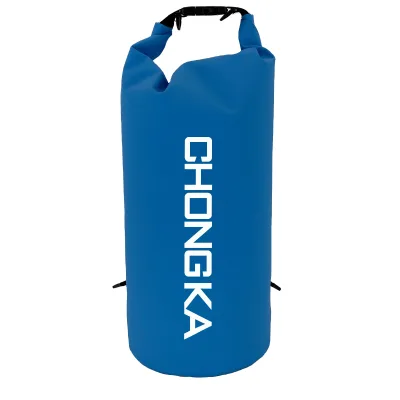


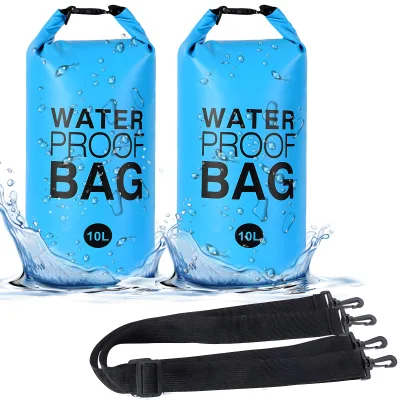
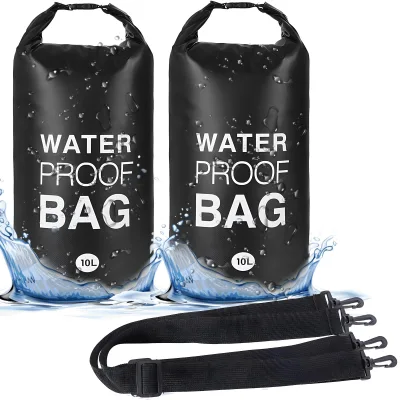


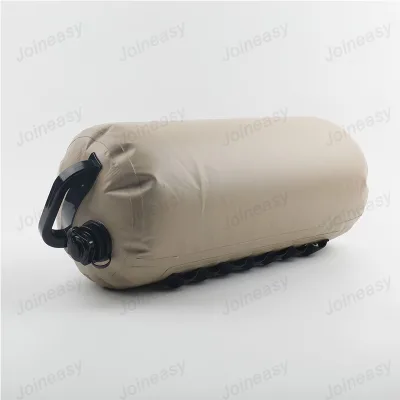



Comprehensive Sourcing Guide
Waterproof Dry Bag Ladder Weights Sourcing Guide
Sourcing specialized equipment for marine, diving, and outdoor applications requires a clear distinction between consumer-grade dry bags and industrial-grade load testing or anchor systems. The term "waterproof dry bag ladder weights" often conflates two distinct product categories: flexible, roll-top dry sacks used for personal gear protection, and rigid or semi-rigid weighted bags used for structural stability, load testing, or anchoring. Buyers must first determine whether the procurement need involves personal protective equipment for multisport activities or heavy-duty industrial tools for professional engineering and safety testing. The supplied market data indicates a wide variance in product types, ranging from lightweight 2-liter PVC sacks to 30-ton capacity water bags, necessitating precise specification alignment before engaging suppliers.
The observed market signals reveal a fragmented supply chain with significant variations in origin, material composition, and intended use. Products listed under similar keywords may originate from different provinces in China, such as Guangdong or Zhejiang, each with distinct manufacturing ecosystems. Furthermore, the presence of both "OEM" branded consumer items and "Heryline" branded professional equipment suggests that buyers must scrutinize the product model numbers and material thicknesses to avoid misordering. A 500D PVC dry bag intended for hiking is fundamentally different from a 0.5mm PVC tarpaulin sack designed for anchor or load testing applications, and confusing these categories can lead to functional failure in critical operations.
Product Scope and Observed Listing Signals
The product scope encompasses a broad spectrum of waterproof containment solutions, primarily driven by the material properties of PVC and the structural requirements of the end-use environment. Observed listings highlight materials such as 500D PVC and 0.5mm 500D PVC Tarpaulin, which offer varying degrees of durability and water resistance. The core keyword combination suggests a need for items that are not only waterproof but also capable of holding weight or serving as anchors, which aligns with the observed "Hazard Dry Sack Anchor Bag" and "Load Test Water Bag" categories. Buyers should focus on products that explicitly state functions like "waterproof," "sand proof," and "dust proof," while also verifying if the bag is designed to be filled with water or sand to achieve the necessary weight for ladder stability or load testing.
Listing signals indicate that customization is a dominant feature in this category, with many suppliers offering customized colors, capacities, and logos. The observed capacity ranges span from small 2-liter personal sacks to massive 30-ton industrial water bags, highlighting the importance of volume selection. Additionally, the presence of "Multicolor" options and specific color lists such as Red, Yellow, Blue, and Green suggests that visibility and identification are key factors for many buyers, particularly in professional diving or construction contexts. The single package sizes and weights vary significantly, from compact 12x12x12 cm packages weighing 1 kg to larger 40x30x2 cm packages, indicating that logistics and storage considerations must be integrated into the sourcing decision early in the process.
Technical Specifications to Verify
Technical verification must begin with material thickness and denier count, as these factors directly determine the bag's resistance to abrasion and puncture. For applications involving ladder weights or anchor bags, the material must withstand significant tension and potential contact with rough surfaces such as boat hulls, rocks, or concrete. Buyers should verify if the product uses standard 500D PVC or reinforced 0.5mm tarpaulin, as the latter typically offers superior strength for heavy-duty applications. The model numbers provided in the market data, such as DB009, DZ2026, SN2026, and 602-1, serve as critical identifiers for cross-referencing supplier catalogs and ensuring that the specific technical attributes of the desired product are met.
Capacity and sealing mechanisms are equally critical technical specifications that must be validated against the intended load requirements. For dry bags used in personal outdoor activities, capacities ranging from 2L to 30L are common, but for ladder weights or anchor bags, the capacity may refer to the volume of water or sand the bag can hold to achieve a specific weight. Buyers must confirm the sealing method, whether it is a roll-top, zipper, or heat-sealed design, and ensure that the seal remains watertight under pressure. Additionally, the single gross weight of the empty bag should be considered, as it contributes to the total payload, especially in applications where precise weight distribution is necessary for stability.
Compliance and Safety Documentation
Compliance documentation is essential for ensuring that the purchased products meet international safety and environmental standards, particularly for items used in professional or industrial settings. The observed market data includes references to certifications such as IP68, SGS, BSCI, REACH, ROHS, and ISO9001, which indicate varying levels of quality assurance and regulatory adherence. IP68 certification, for instance, suggests a high level of water and dust resistance, which is crucial for dry bags used in diving or marine environments. Buyers should request valid certificates from suppliers and verify their authenticity, as these documents provide evidence that the materials and manufacturing processes have been tested and approved by recognized third-party agencies.
Safety standards also extend to the chemical composition of the PVC materials used in the bags, particularly regarding the presence of harmful substances like phthalates or heavy metals. Certifications such as REACH and ROHS are critical for ensuring that the products are safe for human contact and environmentally friendly, which is increasingly important for brands that prioritize sustainability. For industrial applications, such as load testing water bags, additional safety documentation may be required to verify the burst pressure and tensile strength of the material. Buyers should ensure that the supplier can provide test reports or material safety data sheets (MSDS) that confirm the product's compliance with relevant industry standards.
Cost Drivers and Commercial Terms
Cost drivers in the waterproof dry bag and ladder weight market are influenced by material quality, customization requirements, and order volume. The observed price range of $1.45 to $20,000 USD reflects the vast difference between simple consumer dry bags and large-scale industrial water bags. For smaller, customized dry bags, costs are driven by the complexity of the design, the number of colors used, and the printing methods employed, such as silk printing or UV printing. Buyers should be aware that higher MOQs, such as the observed 100 pieces, may result in lower unit prices, but they also increase the initial investment and inventory risk.
Commercial terms, including shipping methods and packaging standards, also play a significant role in the total cost of ownership. The observed shipping options of express, sea, and air freight allow buyers to balance speed and cost based on their urgency and budget. Packaging is another critical factor, with options ranging from simple PE bags to export-standard wooden boxes, which provide better protection for fragile or heavy items. Buyers should negotiate clear terms regarding packaging to ensure that the products arrive in good condition, and consider the impact of packaging on storage and handling costs at the destination.
Supplier Qualification and Quality Control
Supplier qualification is a critical step in mitigating the risk of receiving substandard products, particularly when dealing with OEM manufacturers who may have varying levels of quality control. Buyers should verify the supplier's production capabilities, including their factory size, equipment, and workforce, to ensure they can meet the required specifications and delivery timelines. The observed place of origin in Guangdong and Zhejiang provinces indicates a concentration of manufacturing expertise, but buyers should still conduct due diligence to confirm the supplier's reputation and reliability. Requesting samples before placing a bulk order is a best practice to evaluate the product's quality, including material thickness, seal integrity, and print durability.
Quality control processes should be clearly defined and agreed upon with the supplier, including inspection points and acceptance criteria. For products with specific certifications, buyers should ensure that the supplier has a robust quality management system in place, such as ISO9001, to maintain consistency in production. Regular audits or third-party inspections may be necessary for large orders or critical applications to ensure that the products meet the agreed-upon standards. Buyers should also establish clear communication channels with the supplier to address any issues that arise during production or delivery, ensuring a smooth procurement process.
Long-Term Procurement Checks
Long-term procurement checks involve monitoring supplier performance and product quality over time to ensure sustained value and reliability. Buyers should track key performance indicators such as on-time delivery rates, defect rates, and responsiveness to issues to identify potential problems early. Regular feedback loops with the supplier can help improve product quality and service levels, fostering a collaborative relationship that benefits both parties. Additionally, buyers should stay informed about changes in industry standards and regulations that may affect the product, ensuring that the sourced items remain compliant and relevant.
Sustainability and ethical sourcing are increasingly important considerations for long-term procurement strategies. Buyers should evaluate the supplier's commitment to environmental responsibility and social compliance, as indicated by certifications such as BSCI and REACH. This not only helps mitigate reputational risk but also aligns with the growing demand for sustainable products in the market. By maintaining a focus on quality, compliance, and ethical practices, buyers can build a resilient supply chain that supports their business goals and contributes to positive social and environmental outcomes.
FAQs
What certifications do waterproof dry bags typically hold?
Many waterproof dry bags hold certifications such as ISO9001, IP68, REACH, and ROHS. Some products also carry BSCI or GS marks to ensure safety and quality standards are met for international trade and consumer protection.
Which materials are used for making waterproof dry bags?
Common materials include 500D PVC and 0.5 MM 500 D PVC Tarpaulin. These durable fabrics provide essential waterproof, sand-proof, and dust-proof protection for outdoor activities like hiking, swimming, and diving.
Can buyers customize the color and capacity of dry bags?
Yes, customization is available for both color and capacity. Buyers can select from multicolor options or specific shades like red and blue, while capacities range from 2 liters up to 30 liters depending on the model.
What is the minimum order quantity for these products?
The minimum order quantity varies by supplier but can be as low as 1 piece or as high as 1000 pieces. Some specific listings indicate an MOQ of 100 pieces for standard orders.
How are waterproof dry bags packaged for export?
Products are typically packed in export standards using PE bags or wooden boxes. Single package sizes vary, with some items measuring 12x12x12 cm while others may be larger depending on the specific model and capacity.
Where are these waterproof dry bags manufactured?
Manufacturing locations include Guangdong and Zhejiang in China. These regions are known for producing outdoor equipment that meets international shipping and quality requirements for global distribution.
What shipping methods are available for these bags?
Shipping can be arranged by express, sea, or air depending on urgency and volume. Export standards ensure safe transport, with single gross weights ranging from 0.5 kg to 1.0 kg per item.